Diamond Pier Foundation Performance in Sands
Understand sandy soils and Diamond Pier performance in sandy soils compared to other footing options.
Soils Matter for Any Foundation
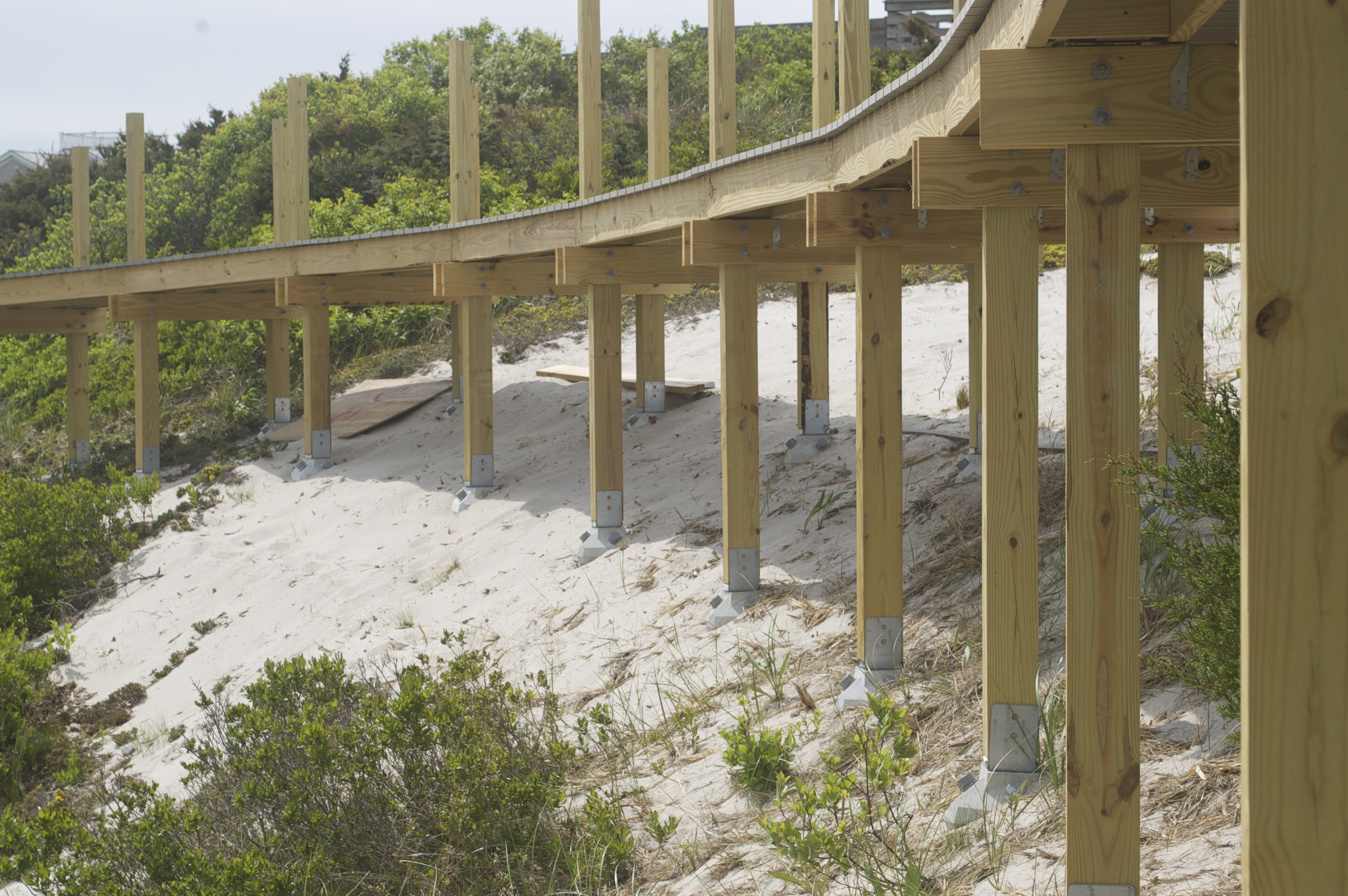
Pin Foundations, Inc. (Diamond Pier Foundations) has been designing and manufacturing foundations for over 30 years. The core of the company’s foundation design strategy? The earth is the actual foundation and soils, in their natural undisturbed state, have the strength and structure to do the job.
Diamond Pier Foundations sold through retail outlets are designed for projects that are founded in normal sound soils. Normal soils are typical in most residential neighborhoods throughout the United States and are defined in the International Residential Code (IRC) Table R401.1.1 (“Presumptive Load-Bearing Values of Foundation Materials”).
For residential applications, the two most common prescriptive soil bearing types relied upon in the IRC table, and in most local codes, are 2000psf sands/gravels and 1500psf silts/clays. Hundreds of thousands of Diamond Pier Foundations have been installed in these normal residential soils.
What About Installing in Sandy Soils
Soil types are classified by their particle size. Sandy soils are characterized by large particles and a gritty texture. Sandy soils drain well, have a low expansion risk, warm up quickly and are generally easy to work with.
The key to working in sandy soils, and more generally with any soil type, is to keep the compaction, water flows and vegetation intact. The more disturbance (i.e., digging, excavation, etc.) that occurs, the more the natural compaction is disrupted. In coastal locations, intact vegetation can stabilize slopes soils (i.e., bluffs, dunes, etc.). Significant excavation or heavy equipment use can disturb intact vegetation and lead to erosion and other issues. These locations can bring additional challenges to consider such as high wind, high water and saturated soils. These challenges become more difficult to overcome the more that the soil is disturbed.
What Are the Options
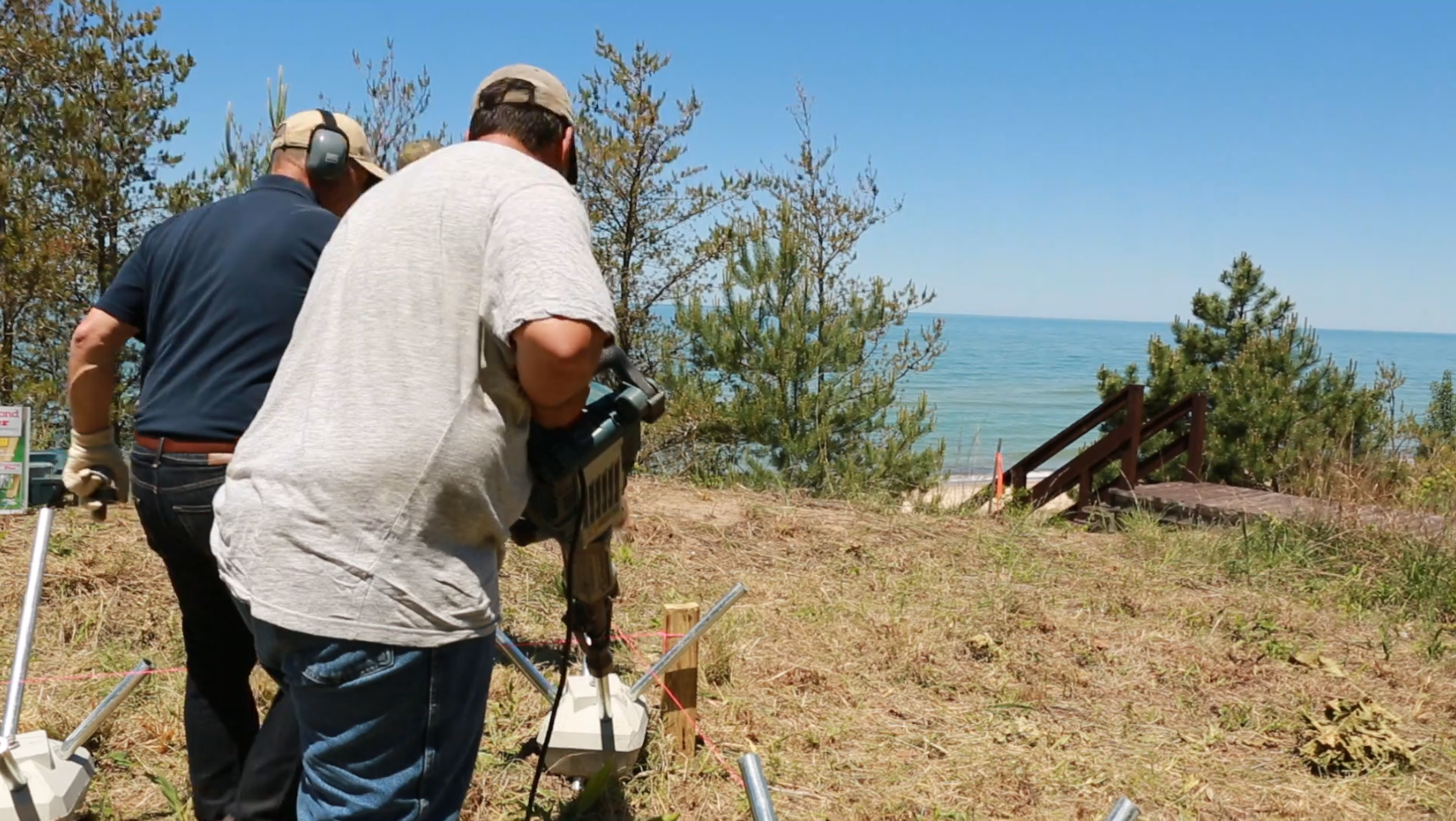
There are typically 4 options when it comes to deck footing choices – conventional field-poured concrete footing (digging, placing the tube form, mixing bags of concrete, waiting to cure), precast concrete pedestal footing (heavy weight of the precast concrete necessitates heavy machinery and complicates placement), helical piles (required third party installers with specialized heavy equipment) and Diamond Pier Foundations (minimal digging, no specialized equipment, no required training or certification, immediate framing after install).
In many coastal municipalities where sandy soil is prevalent, local codes require a large base area footing to ensure proper bearing, uplift and lateral capacities. Installation of these wide-diameter spread footings can require a significant over-dig as the low-cohesion sands cave into the deep hole. This approach will require active re-compaction (like with a “jumping jack” compactor) to ensure uplift performance. The deep hole required may also reach saturated soils. The necessary dewatering delays installation and increases cost. These issues are encountered when installing a field poured or pre-cast pedestal footing.
A helical or screw pile foundation can be a good alternative in sandy soils. Installation does not require excavation. For permitting, a geotechnical report might be required. Third party installers using specialized, heavy equipment can cause delays, disturb vegetation and add costs.
Diamond Pier Foundations can be the ideal solution for deck footings in sand soils. Installing requires minimal excavation (usually a couple of shovels of soil) and no heavy equipment. Installation is intuitive. No training or certification is required – pro builders and DIY homeowners alike have been installed Diamond Pier Foundations for years. Installation leave soils intact resulting in exceptional bearing, uplift and lateral performance. Vegetation and saturated soils are only minimally disturbed during installation enhancing performance and efficiency.
Other Considerations
Velocity zone (V Zone) construction refers to specialized, high-standard building methods required in FEMA-designated coastal areas (Zone V or VE) facing significant hazards from wind-driven waves, erosion or high velocity water. Project-specific engineering is required in the V Zone. Diamond Pier Foundations sold through retail outlets are not recommended for use in the velocity zone.
Diamond Pier Foundations: A Reliable Solution
Diamond Pier Foundations offer numerous advantages for professional builders and homeowners.
- Consistency and Strength: Every Diamond Pier Foundation is pre-engineered and structurally rated to provide consistent strength (bearing, uplift and lateral capacities denoted in our Residential Load Chart) and stability in all-weather classifications. This ensures that decks and simple residential structures supported by Diamond Pier Foundations are solid and stable. Each Diamond Pier Foundation has a Quality Control (QC) label providing identification, tracking and consistent performance.
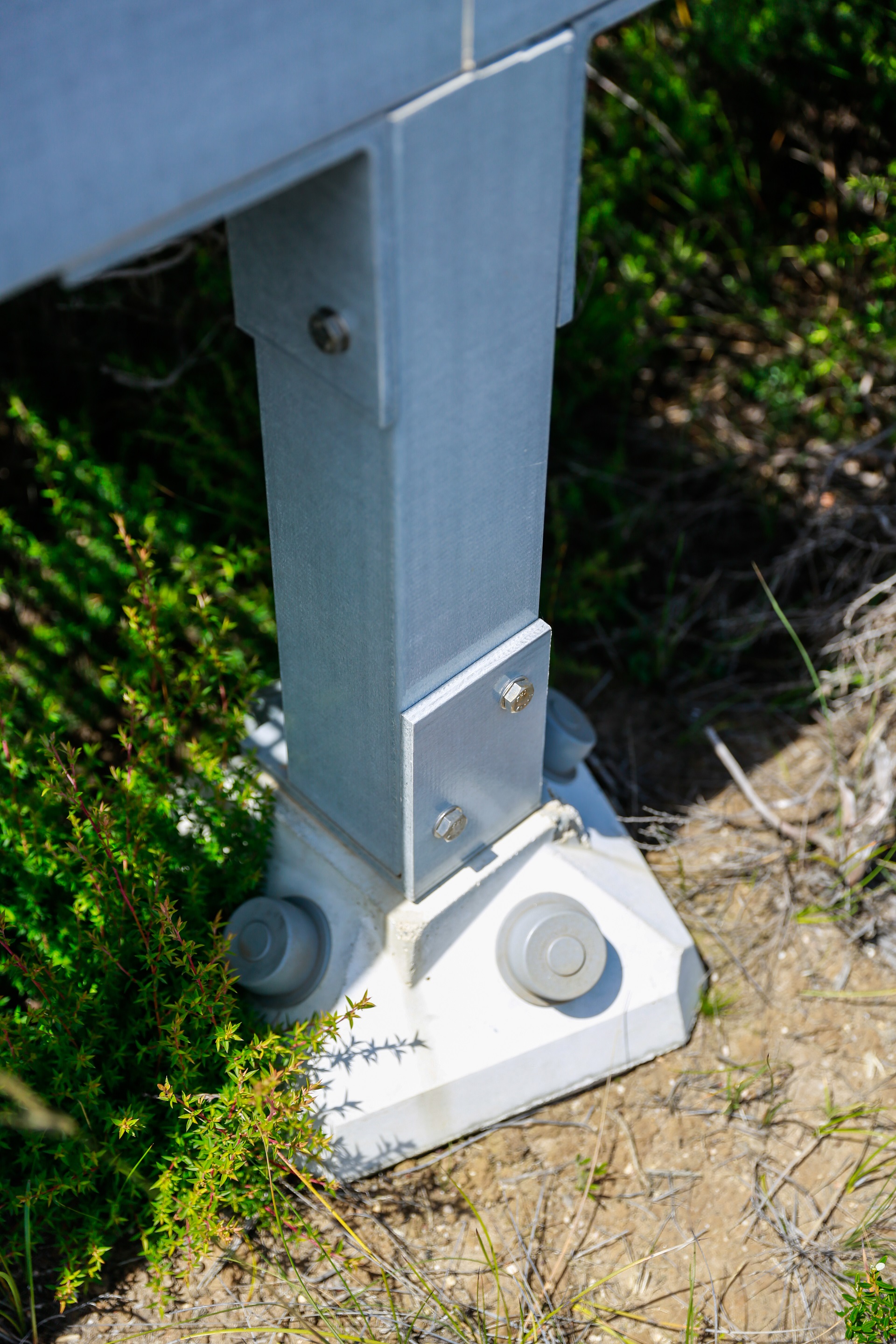
- Durability and Longevity: Constructed from high-quality, audited materials, including galvanized steel and high-strength concrete, Diamond Pier Foundations are built to withstand the test of time, resisting corrosion, rot, and decay for decades. The Diamond Pier Foundations components (high strength concrete head, embedded galvanized steel anchor bolt, galvanized steel bearing pins) are engineered to meet and/or exceed the life expectancy of the project.
- Increased Project Turns: Unlike traditional footings that require extensive excavation, concrete pouring and landscape remediation, the Diamond Pier Foundation can be installed quickly and efficiently using handheld tools. Builders achieve quicker project turns while ensuring the quality and strength of the foundation.
- Versatility and Adaptability: Diamond Pier Foundations can be used in a variety of soil conditions, including clay, sand, and gravel, making them suitable for most locations.
- Environmental Friendliness: Diamond Pier Foundations help preserve the natural landscape and minimize disruption to local ecosystems, water-flow and tree roots, making them the number one choice for environmentally conscious builders and homeowners. The Diamond Pier Foundation also uses significantly less concrete than conventional concrete footings. It is well known that concrete production is the third-largest source of global carbon dioxide emissions. Diamond Pier Foundations use less than 20% of the concrete used in a conventional deck footing.
Is the Diamond Pier Foundation the Right Fit?
By streamlining the construction process and reducing the time spent on each project, contractors can complete more deck projects without compromising quality. Diamond Pier Foundations offer significant installation advantages compared to traditional methods allowing builders to maximize efficiency and productivity. These advantages lead to more projects within the same timeframe ultimately leading to increased revenue and business growth. The ability to install more decks per month not only increases revenue but also enhances the reputation and reliability of the contractor. Homeowners appreciate efficiency and timely completion of projects. By consistently delivering high-quality decks within shorter timeframes, contractors who use Diamond Pier Foundations will build trust and credibility in their market.
When you choose Diamond Pier Foundations for your next project, you will enjoy the benefits of exceptional strength, stability, and longevity, without the drawbacks of traditional methods. Diamond Pier Foundations represent the future of foundation technology available today.


